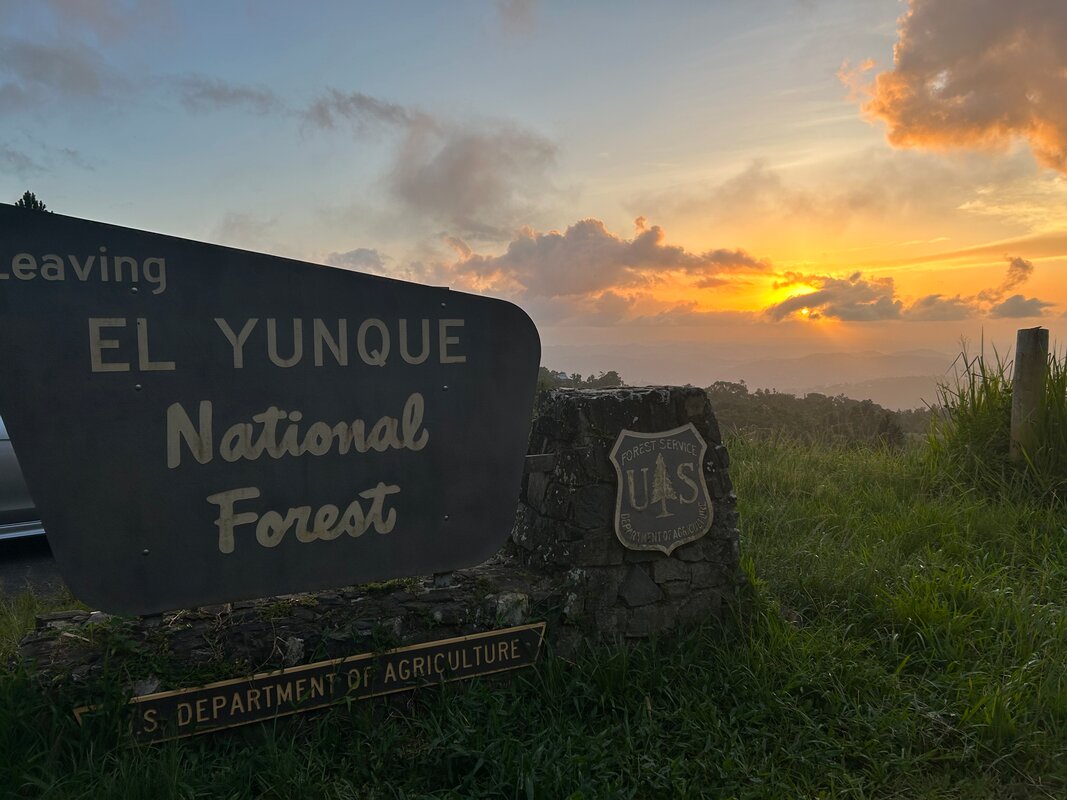
El Yunque National Forest Project
Description:
El Yunque National Forest (EYNF) encompasses the largest expanse of undisturbed tropical rainforest in Puerto Rico and is the island’s second most visited destination. Managing recreation in the forest poses ecological and social challenges, as visitors can access sensitive areas (e.g., the El Toro Wilderness Area), and acceptable use levels may be exceeded during peak seasons (e.g., crowding). In addition, the main recreational facilities remain largely away from nearby communities. These conditions highlight the need for new planning and management strategies that balance social benefits with environmental protection.
Objectives:
The overall purpose is to provide the necessary social science data to accurately and defensibly guide visitor use management and community-based tourism development along the 186 Road Corridor at EYNF. The project focuses on both corridor users and the communities located closest to it.
The project gathered objective, science-based data on the following topics:
Over 360 surveys and 8,600 field camera photos were collected, which informed the following key research findings:
El Yunque National Forest (EYNF) encompasses the largest expanse of undisturbed tropical rainforest in Puerto Rico and is the island’s second most visited destination. Managing recreation in the forest poses ecological and social challenges, as visitors can access sensitive areas (e.g., the El Toro Wilderness Area), and acceptable use levels may be exceeded during peak seasons (e.g., crowding). In addition, the main recreational facilities remain largely away from nearby communities. These conditions highlight the need for new planning and management strategies that balance social benefits with environmental protection.
Objectives:
The overall purpose is to provide the necessary social science data to accurately and defensibly guide visitor use management and community-based tourism development along the 186 Road Corridor at EYNF. The project focuses on both corridor users and the communities located closest to it.
The project gathered objective, science-based data on the following topics:
- Visitors' characteristics, visitor attitudes, and visitor perceptions of issues.
- Potential indicators for the visitor experience.
- How acceptable are management alternatives (current and future) to visitors and community members
- Community members’ perceptions of EYNF and their level of involvement in its planning and management.
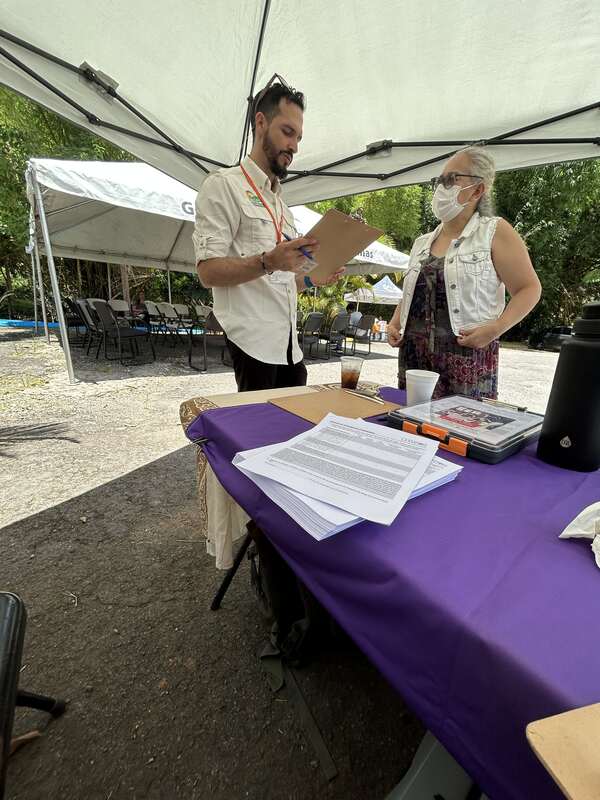
Over 360 surveys and 8,600 field camera photos were collected, which informed the following key research findings:
- Visitors reported relatively high-quality experiences and were primarily motivated to visit for socializing, relaxing, nature viewing, and water-based recreation.
- Both visitors and community members identified road and facility conditions as the primary barriers to visitation.
- While community members expressed strong support for tourism development—favoring a 60–100% increase over current levels—visitors preferred a more modest 20% increase.
- Nearly half of community respondents expressed interest in being partially involved in decision-making processes. Their preferred form of participation emphasized direct interaction with EYNF staff, following a top-down approach.